Alright, let’s talk about Joseph’s wild ride from the pit to the palace, and how it’s a wake-up call for us to be hospitality ninjas at a moment’s notice. You see, when Pharaoh started having dreams about fat cows and skinny cows, it was like a scene straight out of a bizarre cooking show. Nobody in Pharaoh’s circle could figure out what it all meant, but Joseph? He stepped up, ready to roll. And that’s because he was spiritually prepped—like the ultimate Boy Scout of faith!
Spiritual Preparedness: More Than Just a Buzzword
Joseph didn’t get caught with his pants down when the opportunity knocked. He had been through enough ups and downs to know that keeping a close relationship with God was the secret sauce. Just like you wouldn’t want to throw a dinner party without checking if you have enough chairs (or food), we need to be in tune with divine guidance so we’re ready when life throws us a curveball. Think of it as spiritual insurance for those unexpected moments—like when Aunt Linda drops by unannounced.
Get Your House in Order: Where Ministry and Hospitality Begin
When the famine struck Egypt, Joseph didn’t just pull a solution out of thin air. He had spent years preparing, stockpiling grain like it was Black Friday. His readiness didn’t just save his family—it saved an entire nation. But Joseph’s story isn’t just about emergency prep or strategic planning. It’s about getting things in order before the storm hits. And in our lives, there’s no place more important to start than at home.
Think about it: how can we serve others if we haven’t first tended to the relationships and responsibilities in our own household? Ministry, hospitality, and connection all start under your own roof.
Start with Your Family Table
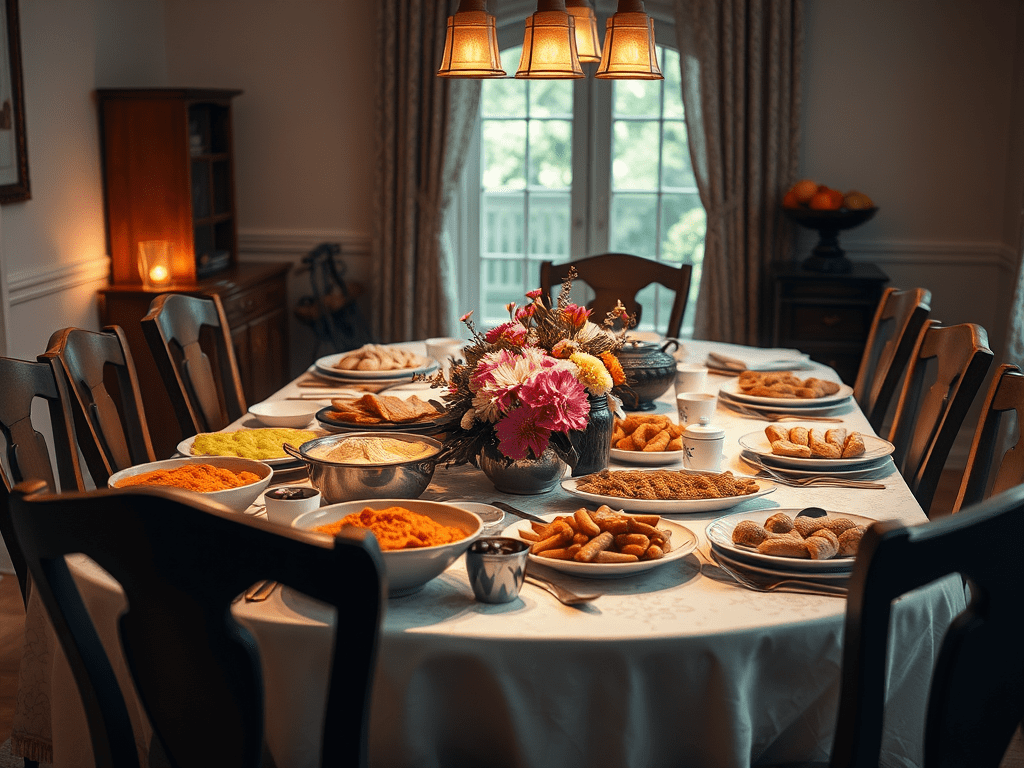
In hospitality, the family table is ground zero. It’s where relationships are built, trust is nurtured, and love is practiced. Before Joseph saved Egypt, he reconciled with his brothers in his heart—and in person as soon as he could. This repaired the family fractures that could’ve kept them apart forever.
For us, this means focusing on the people closest to us before extending our hands to the wider community. It’s hard to create peace in someone else’s life if your own house is in chaos. Maybe it’s making time for family dinners where everyone can share their day. Maybe it’s prioritizing date nights with your spouse or intentional conversations with your kids. These moments create a foundation of love and connection that flows outward when it’s time to serve others.
Prepare for the Unexpected
Joseph didn’t wait for the famine to hit before he started preparing. He worked ahead, stockpiling grain so Egypt wouldn’t be caught off guard. The same principle applies at home. Maybe it’s as simple as keeping a stash of quick meals in the freezer for unexpected guests. Maybe it’s setting aside time and resources to help a neighbor or friend when the need arises.
Preparation isn’t just practical—it’s spiritual. When our homes are places of peace and readiness, we’re better equipped to handle the unexpected without breaking a sweat.
Teach Generosity at Home
Hospitality isn’t just about serving others; it’s about modeling generosity for the next generation. Joseph used his position to not only help strangers but to care for his family. At home, this might mean showing your kids what it looks like to give freely, whether that’s inviting someone over for a meal or donating time and resources to a cause.
Ministry starts when we teach those under our roof that hospitality is a lifestyle, not an event. A child who learns to share their toys today becomes the adult who shares their table tomorrow.
Reconcile Before You Reach Out
One of Joseph’s most powerful moments wasn’t just feeding Egypt—it was reuniting with his brothers. His ability to forgive and repair those relationships strengthened his family and set the stage for them to flourish in Egypt.
At home, this might mean addressing the tough conversations or lingering conflicts we’ve been avoiding. If there’s tension at your own table, how can you bring peace to someone else’s? Hospitality is hollow if it’s built on unresolved strife. Reconciliation at home opens the door for authentic connection with others.
Create a Haven of Peace
Joseph didn’t just stockpile grain; he created a system that brought stability to a nation in turmoil. Your home can be the same—a refuge in a stormy world. But that kind of haven doesn’t happen by accident.
It’s in the small things: a clean and welcoming space, a meal prepared with love, or simply being present for each other. A home rooted in peace and care becomes the launching pad for ministry that goes beyond its walls. It’s not about perfection; it’s about making space for people to feel seen, valued, and loved.
Why It Starts at Home
Hospitality that starts at home isn’t just about being organized or prepared—it’s about creating a culture of care that extends outward. A well-ordered home sets the tone for everything else in life. It allows us to serve others from a place of abundance rather than burnout.
Joseph’s story teaches us that preparation and reconciliation aren’t just practical—they’re holy. Before we can extend God’s love to the world, we need to live it in our own kitchens, dining rooms, and living spaces. So, get your house in order—not just with casseroles in the freezer or a stocked pantry, but with hearts ready to love, forgive, and serve. Because true ministry always starts where we are.
Hospitality When It Counts
Fast forward to the famine, and Jacob’s sons are heading to Egypt looking like they’ve just walked out of a bad sitcom. They needed food, and Joseph had the perfect setup. This is where hospitality shines—especially when you’re dealing with family drama. We can learn from Joseph’s ability to put aside the past (and his brothers’ betrayal) to offer them what they needed most: compassion and a whole lot of grain.
Forgiveness Served Hot
Joseph throws a grand feast for his brothers, and it’s not just a meal; it’s like a masterclass in forgiveness. Instead of throwing a grudge party, he opens his home, proving that true hospitality is all about letting go of past hurts and welcoming others with open arms. Remember, just because someone hurt you doesn’t mean they don’t deserve a meal—or at least a snack!
Creating Space for Connection
That big feast wasn’t just about filling bellies; it was a chance for restoration. When you invite someone over, it’s a golden opportunity to mend fences and strengthen bonds. It’s like hitting the refresh button on your relationships. So, the next time there’s a spat at the family dinner, just remember: a shared meal can heal more than just hunger.
Be the Prepared Host
So, how do we take Joseph’s epic story and apply it to our own lives? Here’s the scoop:
Anticipate Needs: Keep an eye on your crew. Sometimes, all it takes is a simple “How’s it going?” to know if someone’s struggling.
Be Proactive: Have a plan—whether it’s extra snacks for surprise visitors or a backup casserole for emergencies. Think of it as your personal hospitality toolkit.
Foster Generosity: Teach your kids (or remind yourself) that kindness isn’t just a nice idea; it’s a way of life. Volunteer, share, and be that person who helps when others are in a bind.
Encourage Reconciliation: Use your hospitality superpowers to bring people together. Host that family dinner where everyone gets to air their grievances over mashed potatoes.
Create a Safe Haven: Make your home a comfy spot where folks feel valued and loved. A little warmth goes a long way in making others feel at home, even when life’s thrown them a curveball.
The Hospitality Challenge
Joseph’s saga isn’t just ancient history; it’s a guide for us today. Being ready to show hospitality can change lives. So, let’s channel our inner Joseph and be prepared to roll out the welcome mat—even if it means putting aside our own drama. By extending kindness, we’re reflecting the heart of God and creating spaces where healing, connection, and good vibes can flourish. After all, hospitality isn’t just about food; it’s about filling souls, one meal at a time.
 Salt, Light, & Hospitality